Current drawings
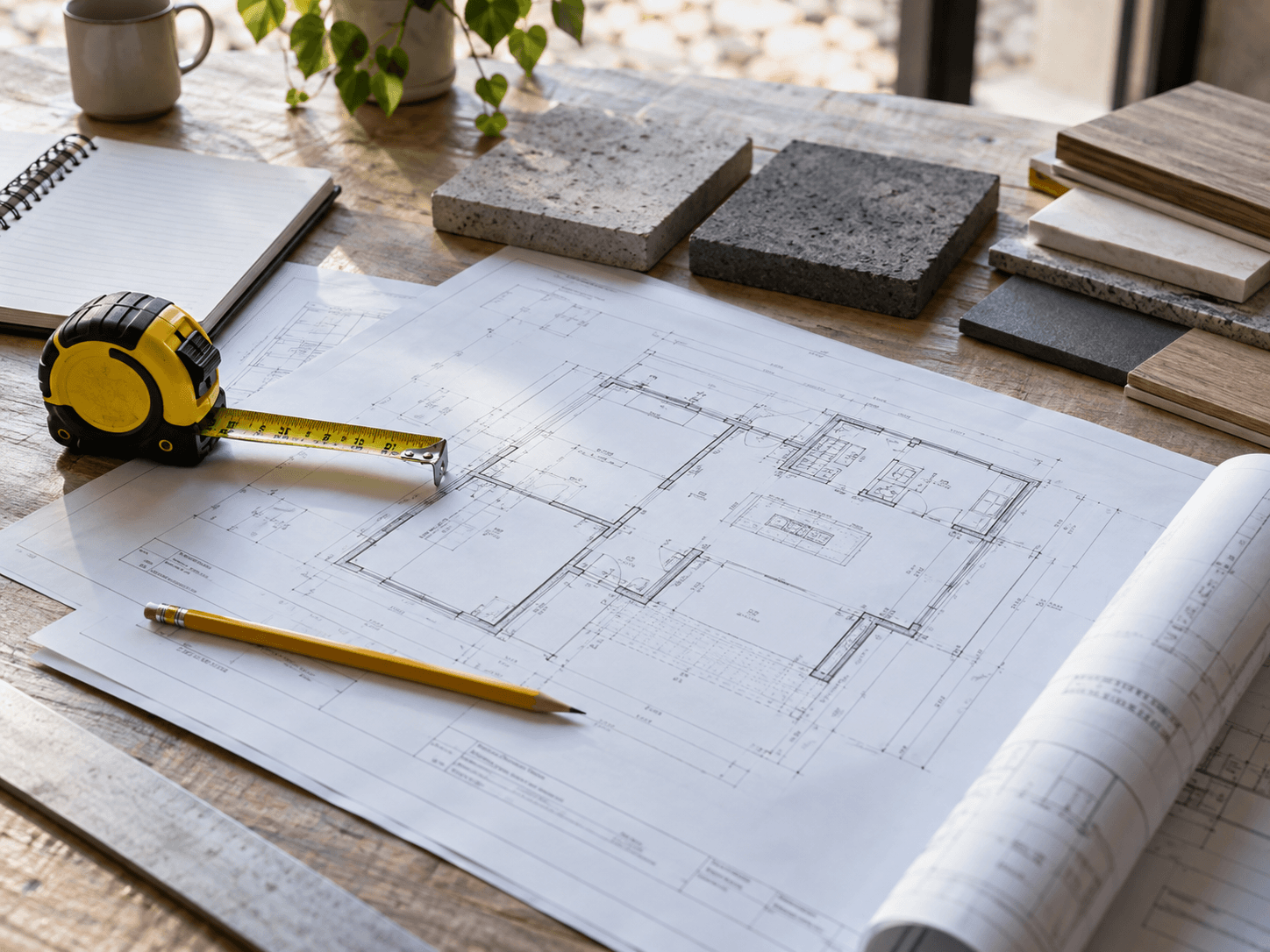
When plans exist, the latest foundation, building or structural information should guide dimensions, openings and project-specific details.
The goal of the early process is simple: understand what is being built, identify the concrete work and gather enough information to discuss the next step.
Share the project type, location, current stage, desired timing and enough description to understand what you are building.
Available plans, dimensions and site information help clarify the concrete scope and identify what details still need attention.
The discussion moves from a service label to the actual work: foundation walls, footings, slab areas, structural concrete or another project-specific need.
Pricing, schedule and availability are addressed after the project information has been reviewed and the scope is clearer.
If the project moves forward, the focus shifts to current documents, site readiness, access, forms, reinforcement and the concrete sequence.
Concrete work connects to later stages such as drainage, backfill, slabs, framing or other residential construction activities.
Concrete planning becomes more reliable when documents, site conditions and the surrounding construction sequence stay connected.
When plans exist, the latest foundation, building or structural information should guide dimensions, openings and project-specific details.
Excavation, access, grade and site preparation can change between early planning and active construction, so the actual stage matters.
A project still comparing options is different from one with a defined concrete scope and target construction window.
Concrete work often hands off to waterproofing, drainage, backfill, framing, utilities or other work that needs the dimensions and timing to align.
A site that is already excavated with current foundation drawings can move into a detailed concrete discussion quickly. A project still in early design may begin with approximate dimensions, building type and a future construction window.
Access, weather, plan revisions, site readiness and coordination with other work can also affect the sequence. The practical next step is to share the most current information available rather than wait until every detail is perfect.
Tell us what you are building, where the project is located and what stage it is in. Those basics help start a useful scope conversation.